

Tips for epidemic prevention and control
1. Basic protective measures: Wear masks properly. When taking public transportation, entering medical institutions, or crowded places, be sure to wear a surgical mask or N95 mask, ensuring that it covers your mouth and nose and that the nose clip is pressed firmly. It is recommended to replace regular surgical masks every 4 hours.
Correct hand washing and disinfection involves using the "seven-step handwashing technique" with running water and soap for at least 20 seconds, especially after touching public objects. When handwashing facilities are not available, use an alcohol-based hand sanitizer containing 60%-75% alcohol as a substitute. Note that alcohol disinfection should be done away from sources of ignition.
Maintain social distance: Keep a distance of at least 1 meter from others in public places, reduce gatherings, and avoid prolonged stay in enclosed spaces.
II. Key points for protection in specific scenarios: When taking public transportation such as subways and buses, try to travel during off-peak hours. After touching the handrails, avoid touching your eyes and nose. Disinfect your hands promptly after getting off the vehicle.
Regular ventilation is required in office and meeting rooms, and the number of participants should be controlled. Online meetings are encouraged. High-frequency contact surfaces such as desks and keyboards should be disinfected daily.
Key students for campus prevention and control need to undergo temperature monitoring upon entering the school. Classrooms should be regularly ventilated by opening windows, and peak meal times should be staggered to avoid conversations. Any symptoms of fever should be reported immediately and the individual should be isolated.
III. Protection for Special Populations: Protection for the Elderly with Chronic Diseases. The elderly with chronic diseases need to regularly monitor their blood pressure and blood sugar levels, and have sufficient supplies of commonly used medications. They should reduce going out and gathering, and prefer online shopping. Vaccination is the key to reducing the risk of severe illness.
Key points of home care: When family members show symptoms, they should be isolated in a separate room and wear masks. Common areas should be wiped down daily with chlorine-based disinfectant. Caregivers should change their clothes after coming into contact with the patient.
IV. Health Management and Clarification of Misconceptions: Vaccines and Immunization Enhancement. Prompt vaccination with recommended vaccines (such as COVID-19 and flu vaccines) is recommended, and basic protective measures should still be taken after vaccination. Pay attention to a balanced diet and sleep daily to enhance immunity.
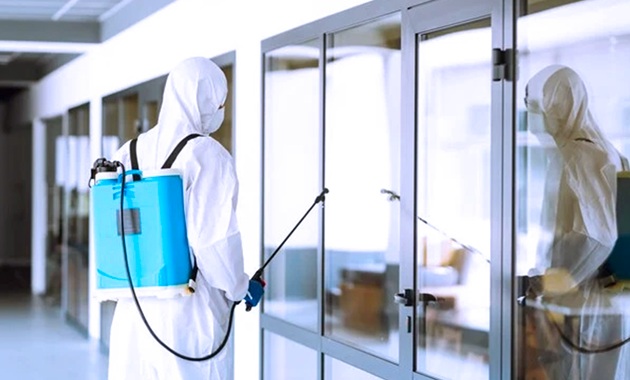
Scientific disinfection to avoid misunderstandings: Alcohol is only used for surface disinfection of small objects. For large-area environments, it is recommended to use 84 disinfectant (diluted according to the instructions). Avoid excessive disinfection, and opening windows for ventilation is equally important.
Symptom recognition and response: If symptoms such as persistent fever, difficulty breathing, and confusion occur, seek medical attention immediately; for mild cases, patients should drink plenty of water and monitor their blood oxygen saturation while staying at home.
V. Innovative Epidemic Prevention Publicity (Engaging Science Popularization) "Masks Shake the City" → Emphasizing the Importance of Consistently Wearing Masks in Public Places "Vaccine Hands Bring Spring Back" → Reminding People to Establish an Immune Barrier Through Vaccination Epidemic prevention is a long-term health project that requires integrating scientific protection into daily habits. For more authoritative guidance, please refer to: 🔗 China Government Network - Prevention Common Sense 🔗 National Health Commission Prevention and Control Knowledge Column
Key principles: vigilant protection, scientific approach without blind obedience, and shared responsibility! 🌟












Please first Loginlater ~